Environmental monitoring is often associated with large-scale incidents such as oil spills. However, in most industrial and water management environments, risks develop gradually through small and often unnoticed changes in surface conditions.
Thin hydrocarbon films, intermittent leaks and process-related discharges may not immediately trigger alarms, but they can still impact operations, compliance and environmental performance over time.
In this context, monitoring technologies must go beyond incident detection. They must provide continuous visibility, supporting a more proactive approach to environmental control.
From Oil Detection to Continuous Environmental Monitoring
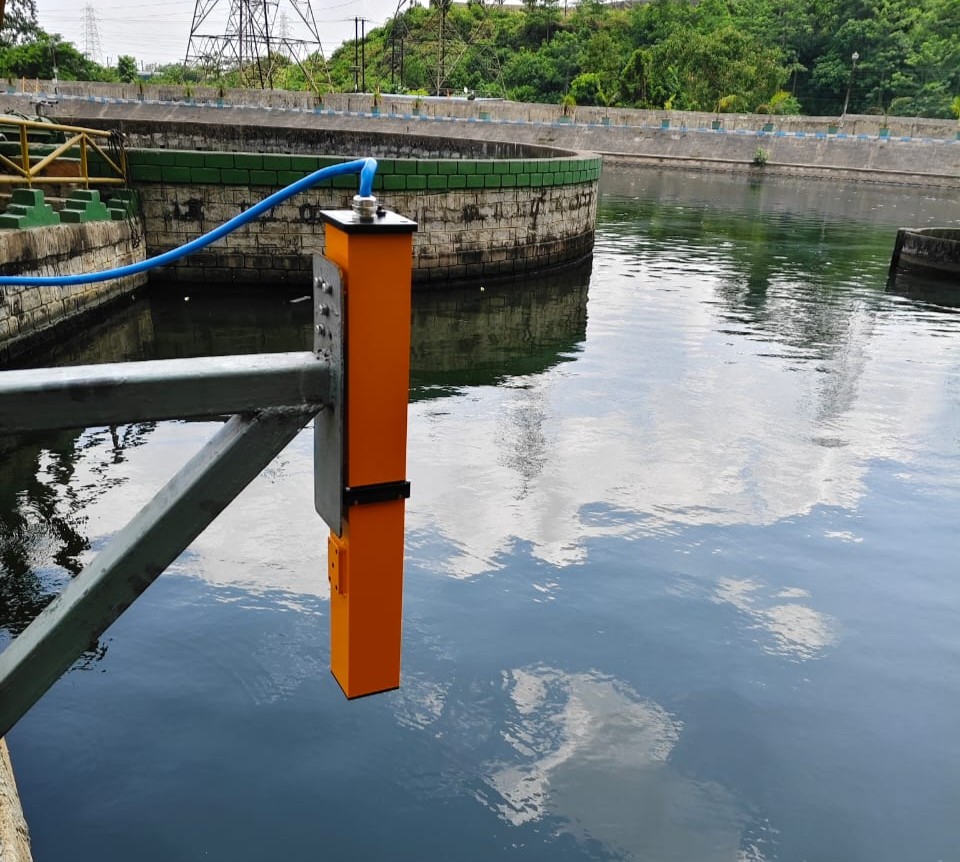
While oil spill detection remains a core function, ROW technology is increasingly used as a versatile optical monitoring solution across multiple industries.
Its ability to continuously observe water surfaces and detect hydrocarbons in real time makes it suitable not only for emergency response, but also for routine monitoring and operational oversight.
This expanded role reflects a broader shift: from systems designed to react to incidents, to technologies that support continuous environmental awareness.
Monitoring Surface Conditions in Real Time
Many contamination events first become visible at the water surface. This is where hydrocarbons accumulate and spread, often before they are detectable through conventional sampling methods.
Periodic inspections and laboratory analysis provide valuable data, but they capture only isolated moments. In dynamic environments, this can leave gaps where short-lived or low-level events remain undetected.
Continuous optical monitoring addresses this limitation by providing real-time insight into surface conditions as they evolve. Instead of relying solely on delayed feedback, operators gain immediate visibility of anomalies, even when they are minimal.
Cross-Sector Applications
The flexibility of ROW technology allows it to be deployed across a wide range of industries, each with different operational requirements but similar monitoring challenges.
In industrial facilities, it is used at drainage systems, retention basins and discharge points to maintain control over potential contamination pathways. Continuous monitoring helps ensure that environmental conditions remain within acceptable limits throughout operations.
In ports and coastal infrastructure, ROW systems support both incident detection and routine observation of surface conditions influenced by vessel activity and fuel handling. This helps operators distinguish between normal variations and potential risks.
In water and wastewater treatment, real-time monitoring provides additional control at critical stages such as inlet channels and discharge areas. This contributes to both compliance and process stability.
In energy and utility sectors, where systems must operate continuously and reliably, ROW technology provides stable long-term monitoring without interrupting operations.
Across these environments, the common objective is the same: maintaining visibility over water surfaces where contamination may first appear.
From Detection to Operational Insight
Continuous monitoring does more than generate alerts. Over time, it produces a consistent stream of data that can be used to better understand system behaviour.
Patterns may emerge, such as recurring surface anomalies linked to specific operational conditions or external factors. Identifying these patterns allows operators to address underlying causes rather than reacting to isolated events.
This transforms monitoring into a tool for operational insight, supporting more informed decisions and long-term improvements.
A Non-Intrusive and Adaptable Technology
ROW technology is based on optical detection principles that identify hydrocarbons without direct contact with the water.
This non-intrusive approach offers several advantages:
- Continuous operation without interruption
• Reduced exposure to fouling and mechanical wear
• Compatibility with different water conditions
• Low maintenance requirements
Because the system operates above the surface, it can be installed in diverse environments without many of the constraints associated with submerged or contact-based sensors.
This adaptability is a key factor in its use across sectors with very different operating conditions.
Supporting Broader Environmental Strategies
As environmental expectations evolve, monitoring systems are expected to contribute to a wider set of objectives beyond incident detection. These include compliance verification, risk reduction and process optimization.
ROW technology supports these goals by providing continuous, reliable information that can be integrated into daily operations.
Rather than being used only in response to specific events, it becomes part of a broader environmental strategy focused on control, consistency and long-term performance.
Environmental monitoring is no longer limited to detecting major incidents. It requires continuous awareness of conditions across complex and dynamic systems.
ROW technology extends its value beyond oil spill detection by offering a versatile, optical approach to surface monitoring. Its ability to operate continuously and adapt to different environments makes it a practical solution across industries.
By combining real-time detection with ongoing data visibility, it supports a more proactive and informed approach to environmental management, one that aligns with both operational needs and evolving regulatory expectations.