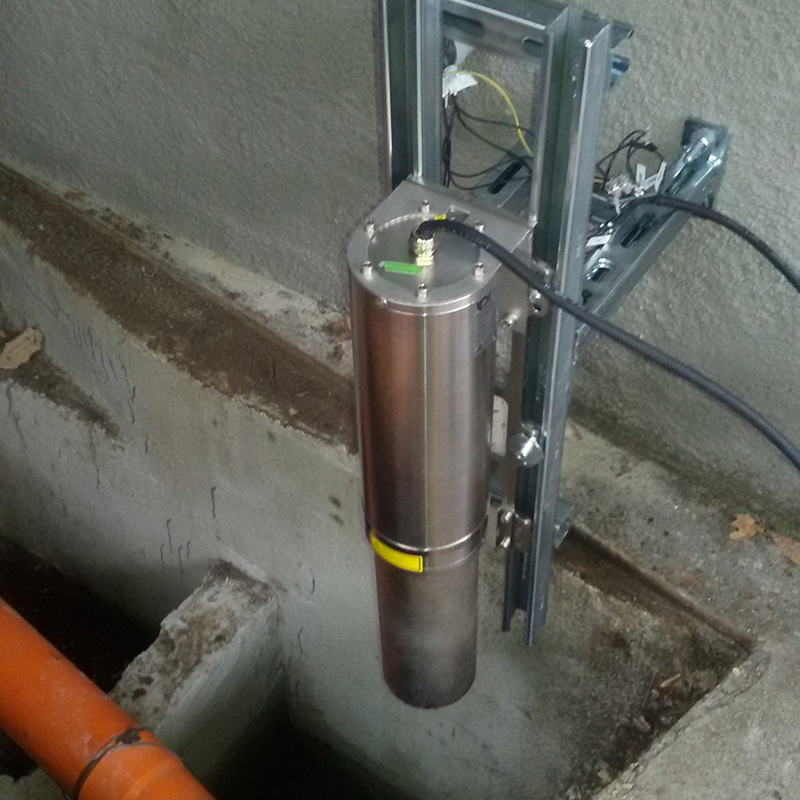
Light hydrocarbons such as kerosene and jet fuel are among the most difficult contaminants to detect. Their rapid evaporation, low molecular weight and tendency to form ultra-thin films make them nearly invisible to many monitoring systems. Yet even minimal contamination can create serious operational and environmental risks in sensitive environments such as water bodies, industrial facilities, and natural ecosystems.
Laser Diagnostic Instruments (LDI) addresses this challenge with the ROW (Remote Optical Watcher) system—a non-contact, laser-based optical detector designed for real-time hydrocarbon identification on water surfaces. Within the ROW family, the Light Fraction model is engineered specifically to detect volatile fuels like kerosene and jet fuel with exceptional sensitivity.
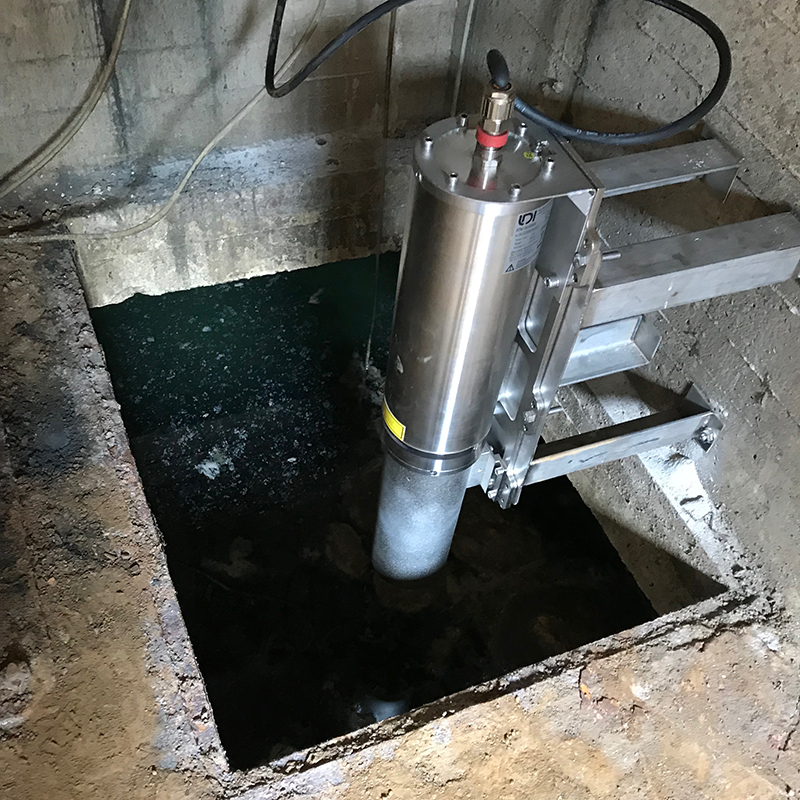
How the Light Fraction Model Detects Jet Fuel and Kerosene
The ROW Light Fraction model operates using UV laser–induced fluorescence (LIF). When the UV beam strikes the water surface, hydrocarbons emit a unique fluorescent response that the detector analyzes instantly. The O-45##X model is precisely tuned to identify the weaker spectral signatures produced by light hydrocarbons, enabling early detection of kerosene, jet fuel, and BTEX compounds.
Placement within the ROW product family
LDI offers multiple ROW models, each optimized for different hydrocarbon groups:
-
O-23##X (Standard Series)
Calibrated for medium and heavy oils such as diesel, lubricants, crude oil, and fuel oils. -
O-45##X (Light Fraction / BTEX Series)
Designed for light oils including kerosene, jet fuel, and light distillates, while also capable of detecting medium oils and BTEX components.
A sensor designed for real-world conditions
To ensure reliable operation across diverse environments, the ROW system incorporates robust engineering features:
-
Detection range: Up to 10 meters (33 ft) from the water surface, depending on model
-
Operating temperature: –30°C to +60°C (–22°F to 140°F), suitable for extreme climates
-
Ingress protection: IP68, hermetically sealed and weatherproof
The system is available in multiple enclosure configurations to match environmental and regulatory requirements:
-
Aluminum (anodized + powder-coated, argon-purged)
-
Stainless Steel 316L (electropolished, argon-purged)
-
ATEX EXD (explosion-proof stainless steel 316), Zone 1 certified
These mechanical designs allow the Light Fraction model to operate reliably in industrial, coastal, remote, or hazardous zones—where detecting volatile hydrocarbons is most critical.
Compact yet powerful
Despite its capabilities, the ROW system remains compact and adaptable:
-
Aluminum unit: 590 × 83 × 80 mm, 1.8 kg
-
Stainless steel unit: 611 × 139 × 139 mm, 9.0 kg
-
ATEX EXD unit: 677.5 × 132 × 132 mm, 12.2 kg
Power options offer flexibility for permanent or autonomous installations:
-
O-23##X: 12–24 VDC (10–30 V input)
-
O-45##X: 12 VDC only
-
Optional AC/DC adapters, 24–12 V adapters, and solar/battery solutions allow deployment even in remote, off-grid locations.
These engineering strengths ensure that the Light Fraction model not only detects light hydrocarbons with exceptional precision but also withstands the demands of real-world deployment.
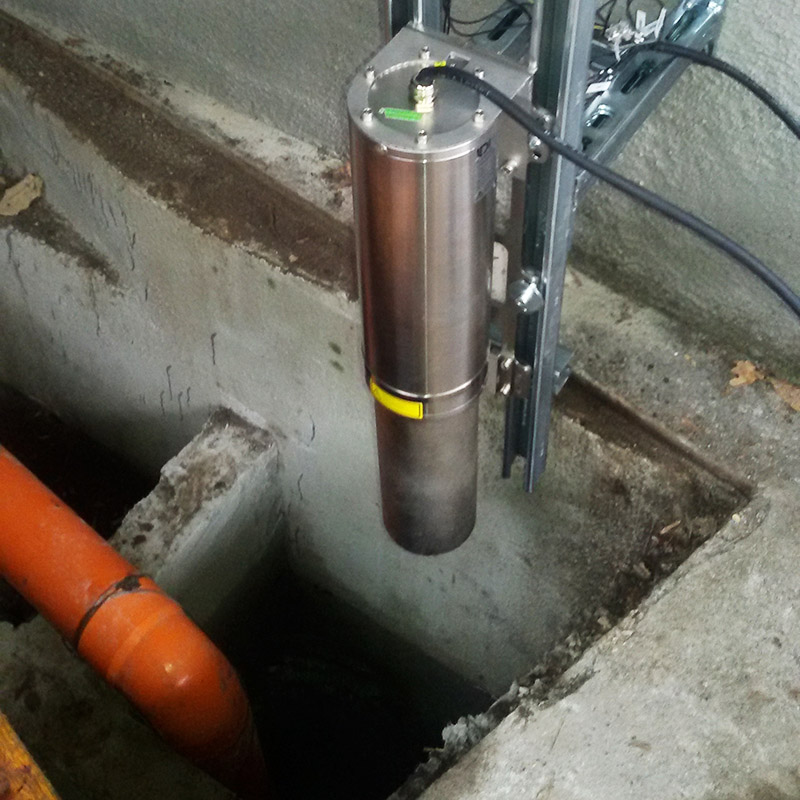
The Role of the Light Fraction Model in Sensitive Environments
Detecting volatile fuels like kerosene and jet fuel at the earliest stages is critical in scenarios where even minimal contamination can have major consequences.
Protecting water systems
Rivers, reservoirs, intakes, and pumping stations require continuous monitoring to prevent contamination. The Light Fraction model identifies even transient slicks that may appear and dissipate quickly.
Fuel handling and storage areas
Industrial sites and distribution facilities handling jet fuel or kerosene benefit from automatic early-warning capabilities that mitigate environmental and operational risks.
Natural and protected ecosystems
In wetlands, coastal zones, and protected waters, intrusive sensors are not feasible. The optical, above-surface design of ROW provides precise detection without disturbing the environment.
Industrial safety
In facilities using light hydrocarbons as solvents or feedstocks, even minor releases can create safety hazards. The O-45##X monitors these areas continuously, enabling quick intervention.
Across all these environments, the Light Fraction model provides the high-sensitivity detection required to identify contaminants that are otherwise nearly undetectable.
Detecting light hydrocarbons such as jet fuel and kerosene demands a sensor capable of capturing faint, rapidly disappearing signatures. The ROW O-45##X Light Fraction model is engineered precisely for this purpose—combining specialized optical tuning with rugged, real-world durability.
Together with the O-23##X Standard Series for medium and heavy oils, the ROW lineup forms a complete hydrocarbon detection ecosystem capable of monitoring everything from BTEX compounds to crude oil.
With its robust enclosures, extended temperature range, long detection distance, and versatile power options, the ROW system ensures reliable early detection in virtually any environment—protecting water resources, industrial operations, and fragile ecosystems from the invisible threats posed by light hydrocarbons.